Right About the UAE, Years Too Late
The president's case against Abu Dhabi is sound, but it comes years late and from a leader who was the UAE's partner for most of that time. He should now use this moment to unite the country and commit to a fair election.
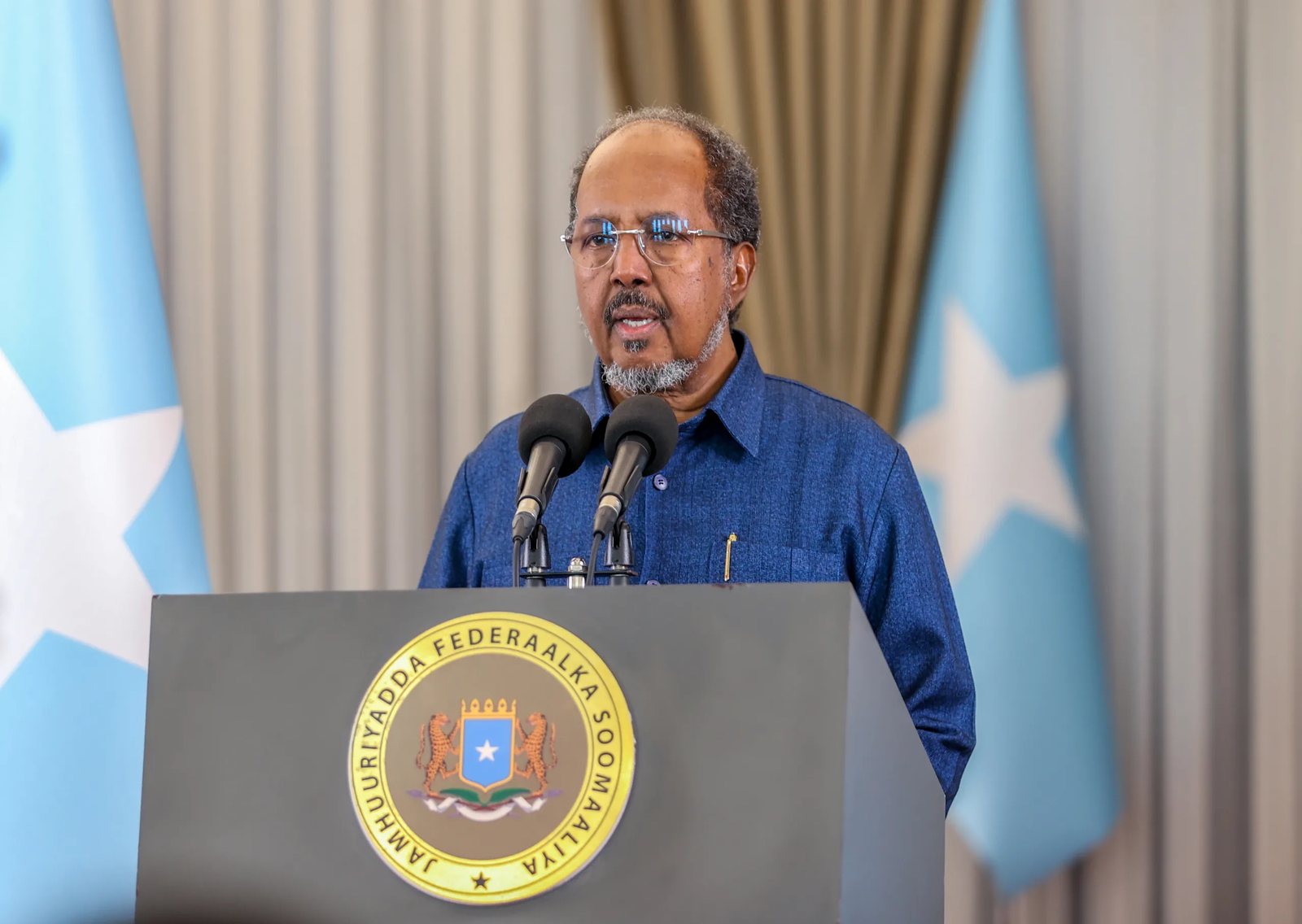
In a recorded address on Tuesday, President Hassan Sheikh Mohamud said what many Somalis have believed for years. He accused the United Arab Emirates of funding and politically backing regional administrations against the federal government, and of signing port deals over Berbera, Bosaso and Kismayo without Mogadishu’s consent. “The UAE government went to Libya and left it divided,” he said. “Likewise, they left Yemen divided. Today they want the same for Sudan and Somalia.” He also made clear that Somalia has no quarrel with the Emirati people or with the many Somalis who live and work in the UAE.
We agree with the substance of that speech. But it came years late, and from a president who was Abu Dhabi’s partner for most of that time.
Abu Dhabi’s conduct in Somalia did not begin this year. In 2018, the Emirati port operator DP World signed a Berbera deal that gave Ethiopia a stake in a Somaliland port without Mogadishu’s approval. Parliament responded by banning DP World and calling the deal a threat to the country’s sovereignty and unity. That April, security forces seized $9.6 million in cash from an Emirati plane at Mogadishu airport. The UAE said the money was for army salaries. Somali officials said it was meant to destabilise the country. Abu Dhabi ended its military training programme soon after.
In the years since, the UAE has built separate relationships with Somaliland, Puntland and Jubaland, going around the federal government each time and collecting port interests along the way. In January, amid reports that the UAE had moved Yemeni separatist leader Aidarous al-Zubaidi through Somali territory without permission, the cabinet cancelled every bilateral agreement with Abu Dhabi. Tuesday’s address was the fullest public case the president has made since.
Hassan Sheikh knew this record when he returned to office in 2022. Four days after his election, the outgoing government released the seized $9.6 million, money Farmaajo had refused to hand back, and the president-elect raised no objection. Within weeks he was in Abu Dhabi meeting Mohamed bin Zayed, and in January 2023 his government signed a new defence cooperation agreement with the UAE. As recently as January 2025, he was praising the “wise and prudent policies” of the Emirati leadership.
His break with Abu Dhabi came only after that partnership collapsed and the UAE was seen to side with regional leaders who oppose him. Last month, former intelligence chief Abdullahi Mohamed Ali Sanbaloolshe said he met three regional leaders in the UAE to discuss an alliance to remove the president. None of them has responded to the claim. It is hard to read the president’s turn as a principled stand. It looks like a falling-out between former allies, and Somalis are entitled to ask whether Tuesday’s speech would exist if Abu Dhabi still backed him.
Still, what the president does now matters more than his motives. The UAE has been able to meddle because Somalia’s leaders are divided.
Those divisions have rarely been deeper. On November 5, the Supreme Court ruled that the one-year extension of the president’s term was unlawful and ordered elections within 90 days. Hours before the ruling, the president dismissed the chief justice. The attorney general has since called the judgment void, and a replacement chief justice was sworn in two days later. Puntland and Jubaland openly reject Mogadishu’s decisions, and the opposition rejects the president’s mandate. A government in that position cannot persuasively ask Abu Dhabi to respect Somalia’s unity.
The president should invite opposition leaders and federal member state presidents to negotiate as equals and agree with them on an electoral timetable and framework that every side can accept. He should treat the court’s ruling as binding and state publicly, without conditions, that he will hand over power to whoever wins a credible election.